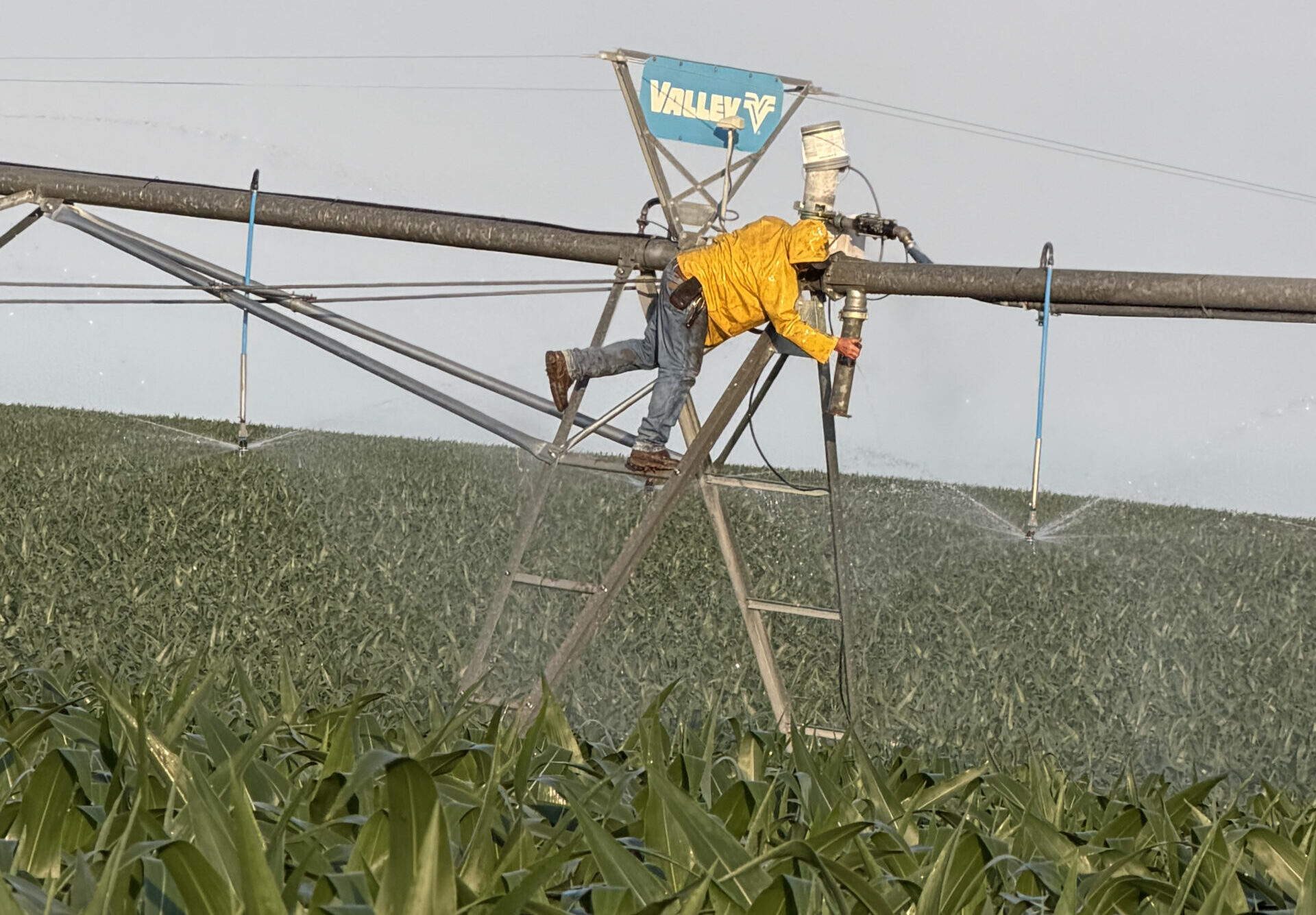
Greg Johnson adjusts an irrigation pivot at his farm west of Verdigre. COURTESY PHOTO
News
Every drop helps: Rural parishes pray rain novena
July 9, 2026
Farmers Greg Johnson and Gene Soukup need a steady supply of rain this summer for their drought-stricken fields of corn, soybeans, alfalfa, wheat and pasture for cattle.
Instead of worrying or complaining, though, they’ve learned to trust God for what they need.
In recent weeks, they and dozens of other northeast Nebraska farmers and ranchers gathered at their churches for nine consecutive days to pray a novena for rain.
So far, the drought conditions have improved – and their nine consecutive days of prayer are bearing fruit in other ways, too.
For months, most of northeast Nebraska has been in a drought, with Boyd, Holt, Knox and Cedar Counties among the driest as of July 7, according to the U.S. Drought Monitor and the University of Nebraska-Lincoln.
Rain in recent weeks has improved conditions and has helped sustain crops for many farmers – at least temporarily.
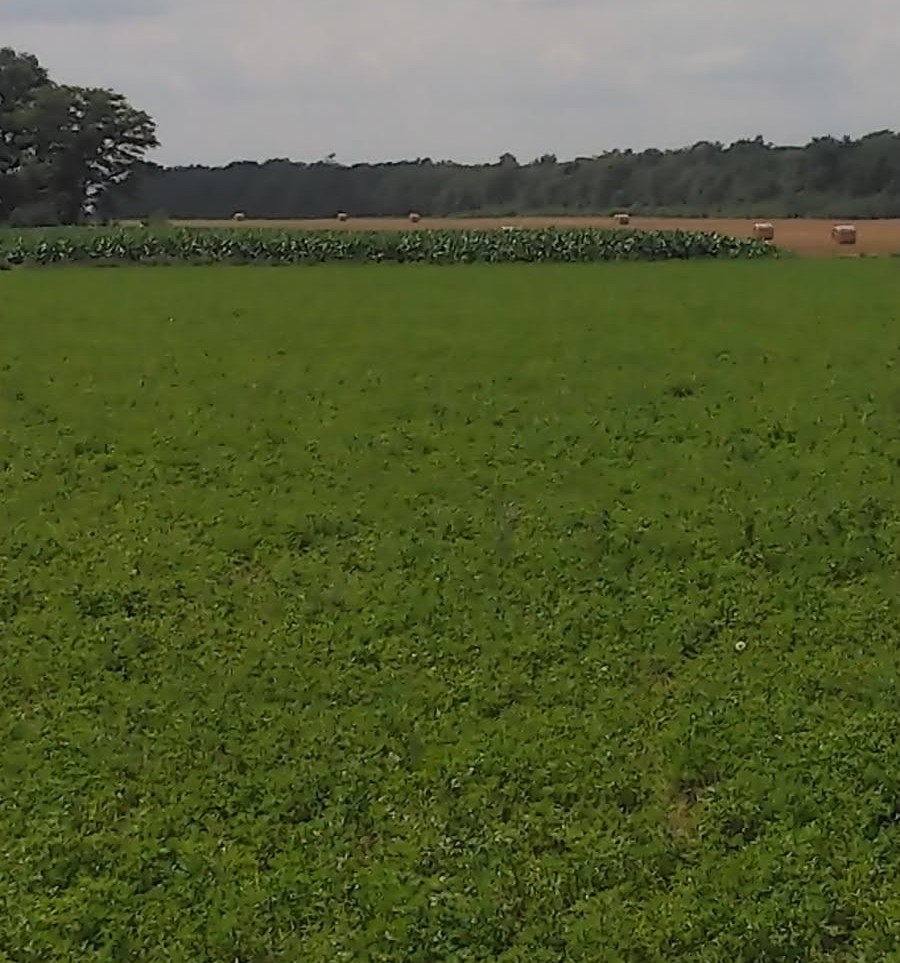
Land farmed by Gene Soukup and his brother northwest of O’Neill. COURTESY PHOTO
Johnson spearheaded the multi-parish novena effort. The first novena at his parish, St. Wenceslaus in Verdigre, and at others in the Our Catholic Family of Parishes began and ended in May, when fields were “terribly dry,” he said.
The initial suggestion for a rain novena came from Jolene Steffen of Crofton, who serves on a pastoral council with Johnson.
“Of course, we were all sitting around grumbling about how dry it was,” Johnson said of the council’s May 18 meeting. Then Steffen offered something more positive: the rain novena.
Johnson, an adult convert to the Catholic faith, didn’t know what a novena entailed, but he set out to organize it nonetheless.
“I’ve been a Catholic now for seven or eight years,” he said, “and I didn’t know what a novena was, to be honest. When I got home, I proudly announced to my wife (Kim, a lifelong Catholic) that we were going to do a rain novena at St. Wenceslaus, and she said, ‘You know a novena is nine days, don’t you?’
“And I said ‘No, I didn’t.’”
She agreed to help and found prayers online. The couple reached out to Deacon Keith Pavlik for help in creating the novena at St. Wenceslaus and some of the other parishes in their parish family.
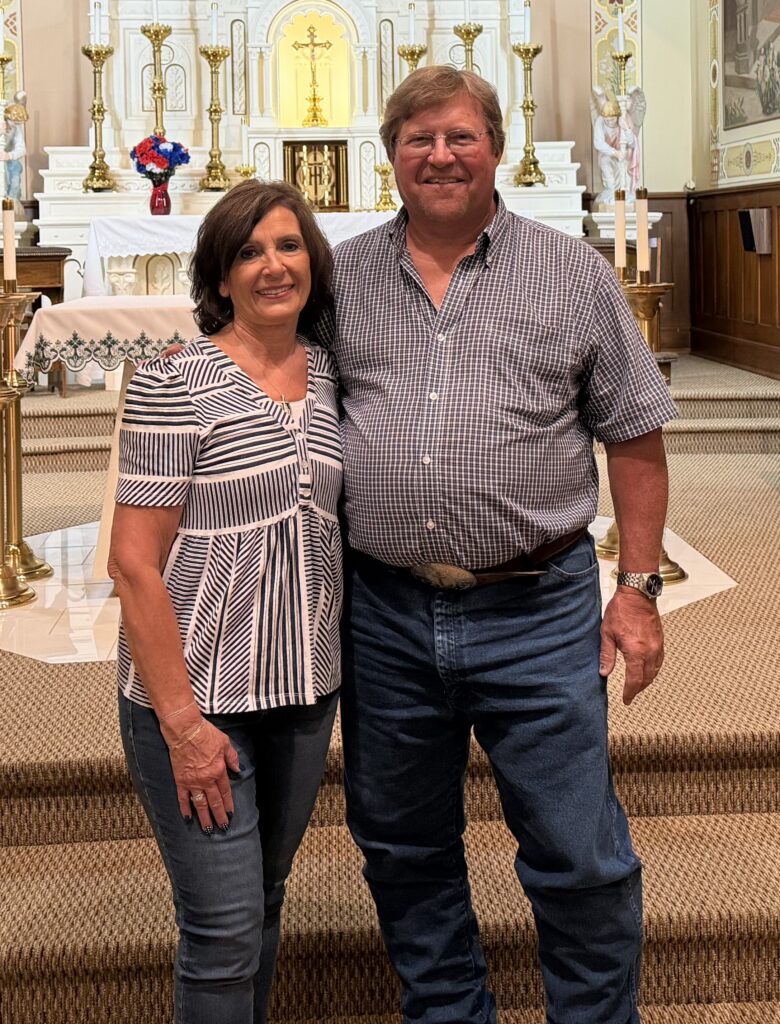
Kim and Greg Johnson COURTESY PHOTO
The Johnsons emailed the novena prayers to friends elsewhere, too. Soukup – a friend from St. Patrick Parish in O’Neill – was among the recipients.
After learning about the novena being prayed at St. Wenceslaus, “I thought, ‘Well, if they’re doing it, we’re so dry, we probably need to talk to the Guy Who controls things a little more.”
Soukup turned to Deacon MJ Kersenbrock for help with the novena at St. Patrick and at other parishes in the Catholic Parishes of Western Holt and Boyd Counties: St. Mary in Spencer, St. Joseph in Atkinson, St. Joseph in Amelia and St. Boniface in Stuart.
Members of those parishes prayed the novena at their churches from June 17 to June 25.
St. Wenceslaus and some of the parishes in the Our Catholic Family of Parishes started a second novena about that time, from June 18-24.
At each church, participants prayed prayers in praise and thanksgiving, petitions for rain and other needs, prayers in honor of St. Isidore the Farmer, a rosary and more.
If the farmers had received rain, a prayer of thanksgiving was prayed right off the bat.
Each night, participants spent about 20 to 30 minutes in prayer. They took turns leading the rosary.
St. Patrick had 30 to 45 people praying each evening. Some people were able to participate for all nine days. Others took part whenever they could or said the prayers from home.
About 20 to 40 people turned out at St. Wenceslaus for the evening novena prayers.
“We were pleased,” Johnson said, “and it did rain. Not enough to end the drought, but we did get some rain, so we were happy about that.”
“We can always use more,” Soukup said, “but we’ve got a start. Things look a lot better than they did three weeks ago. There’s one Person in charge, and I know it’s not me.”
Getting away for prayer during a busy growing season was a sacrifice for the farmers and ranchers.
“Sometimes it was kind of a pain,” Johnson said, “because I could have worked for another hour or so on those nights, but I felt the need to do that.”
A later start for the novena, at 8:30 p.m., helped.
“Everybody was so thankful that we did this, and I wouldn’t hesitate to do it again if needed,” said Johnson, who, with his two brothers and two nephews, farms west of Verdigre on land that his father also worked.
Soukup farms with his brother on land about three miles northwest of O’Neill. That land was passed down by his father, who farmed there from age 14 until a couple of years before his death at age 92.
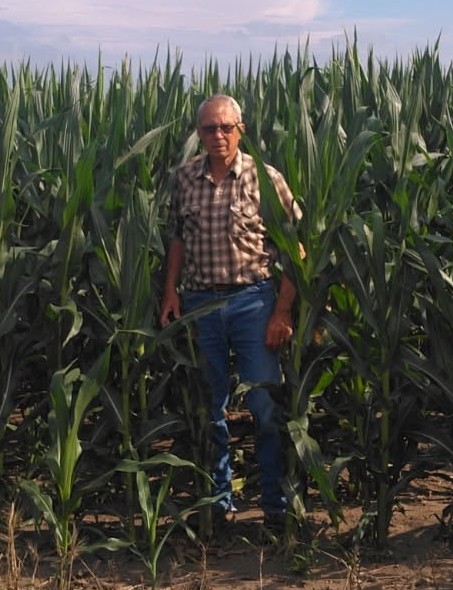
Gene Soukup COURTESY PHOTO
When Soukup and others at St. Patrick started praying for rain, the area was considered in extreme drought.
By the end of June, though, farmers there had received about 2 to 2½ inches of rain. According to agronomists, that amount of moisture is used quickly this time of year because of the intense summer heat and because crops are at a stage of quick growth.
Moisture in the subsoil had been depleted because of a lack of snow in the winter and a dry start to spring. Typically irrigation isn’t needed for a few weeks after planting corn, Soukup said, but this year it was.
“That all costs,” he said. “They used to call them million-dollar rains. Well, now they’re two and three million dollars because they save a lot of money.”
Johnson said that most of his crops are growing as they should, but grass on his pasture is growing slower than normal because of the lack of moisture.
The Verdigre area had been in the worst drought category but improved slightly because of the recent rain, he said.
Every drop has been a blessing, his friend, Soukup, said.
“We’ve been blessed, and we can use more rain,” he said, “but He’s got us in mind … so we’ll just keep praying.”
Dryness in other parts of Nebraska – which led to wildfires – was another impetus to pray, Johnson said.
When he and others prayed the rain novena, “it wasn’t just for us. It was for everybody who needed it.”
If Nebraska farmers would get a couple of gentle rains a week, he said, “it would sure make a world of difference.”
For now, those chances for rain seem unlikely.
“We’re looking at high pressure building over the country, and that’s going to keep things pretty hot and dry for the most part, at least into the next couple of weeks,” said Katie Gross, lead meteorologist at the National Weather Service office in Valley.
Evening rain that soaked much of eastern Nebraska on July 8 barely touched the state’s northernmost counties.
Johnson said those who had been praying at St. Wenceslaus would resume their prayers for rain if necessary.
“If the spigot would shut off, so to speak, I think we would try again,” he said. “We’ll just see what the Lord does here in the next week or so and go from there.”
Through their prayers, members of the St. Wenceslaus novena team have been blessed with more than rain.
For Johnson in particular, praying novenas is now a part of his faith. A friend passed on a novena dedicated to St. Isidore, his Confirmation saint and a patron saint of farmers.
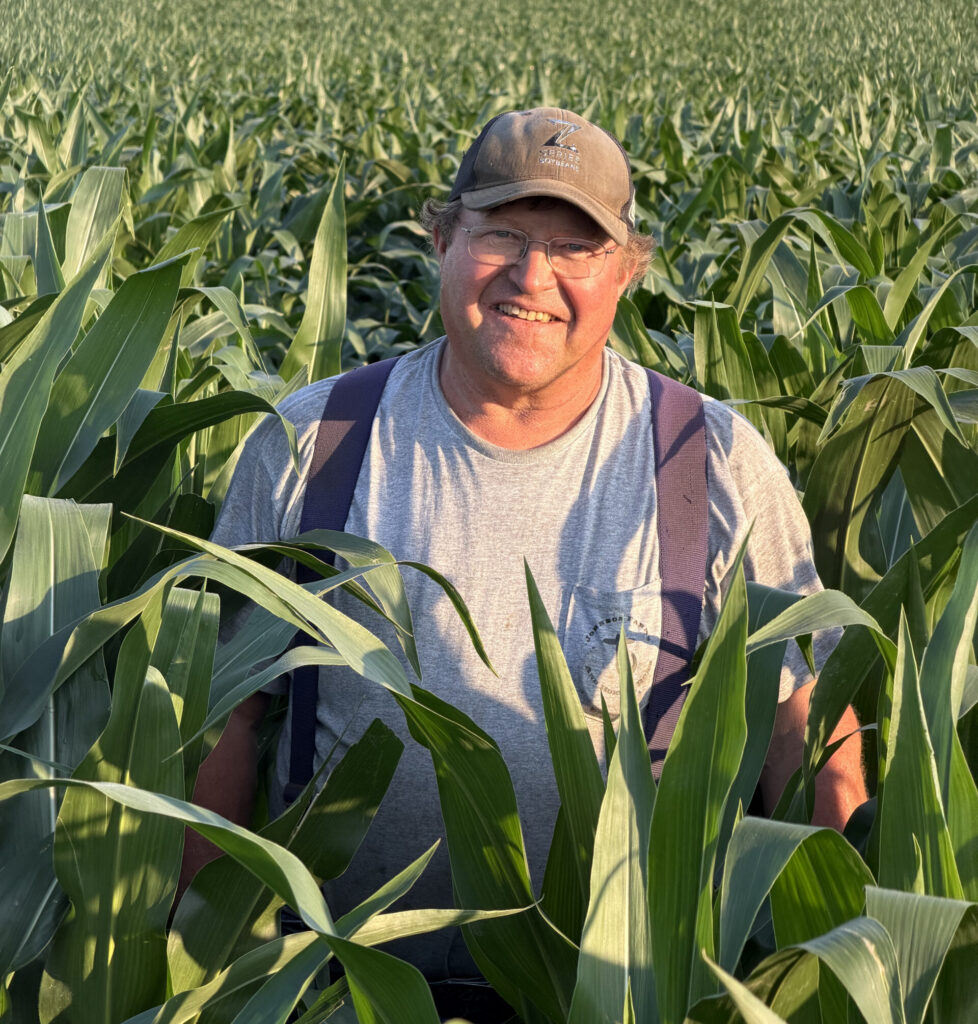
Johnson COURTESY PHOTO
As a group, the St. Wenceslaus team became united through their rain novenas. Several members told Johnson that they had enjoyed getting together for prayer, so they all decided to continue to meet and pray.
Now the prayer team continues as a rosary group, praying together once a week. Members held their first meeting July 1. If they want to resume the rain novena at some point, they can discuss that, Johnson said.
“We inadvertently created a small group in doing this,” he said. “We kind of formed a kinship.”