COURTESY PHOTO
News
Growing food on the moon? Budding scientists win international honor
March 5, 2026
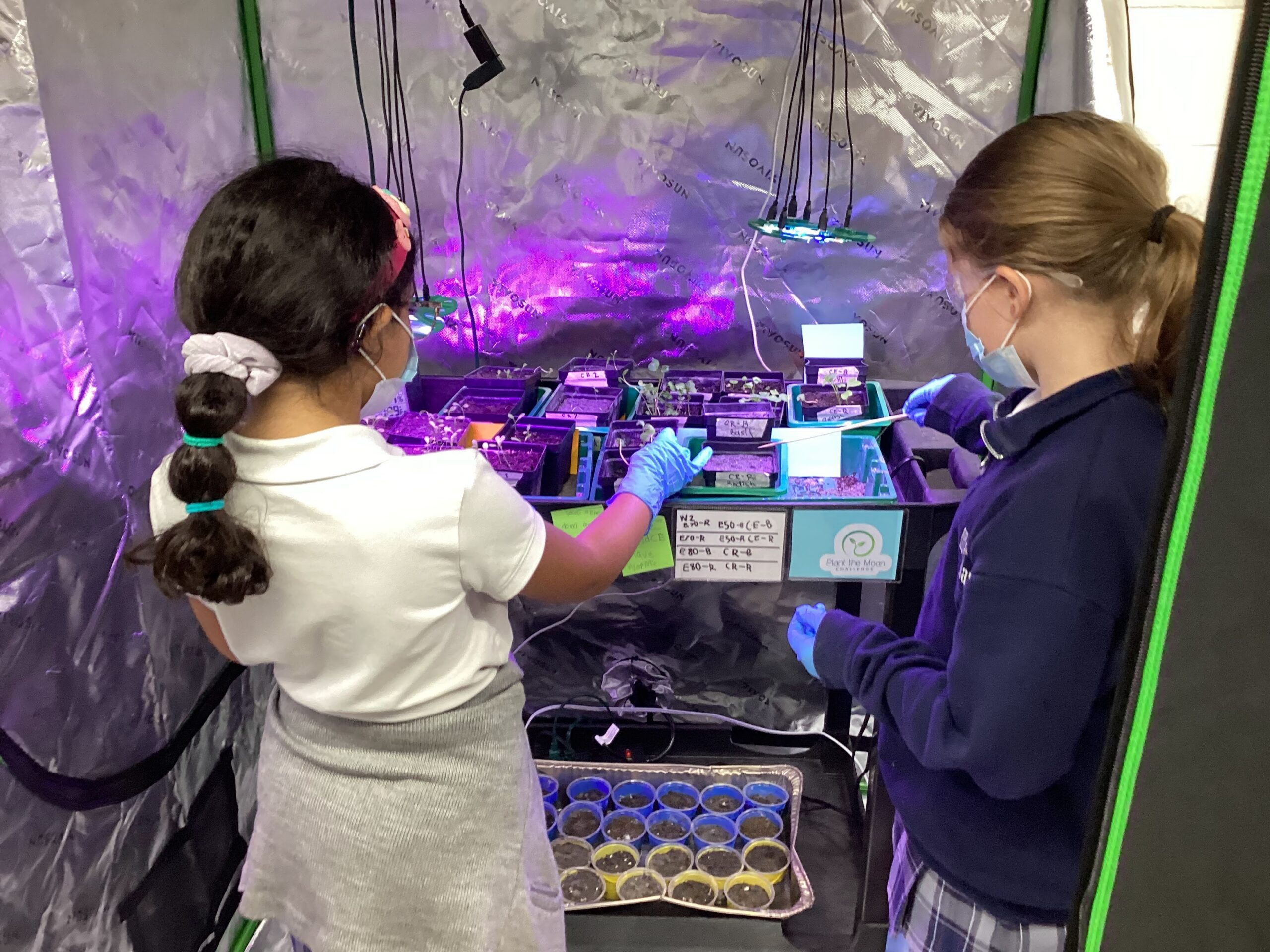
Some young minds at St. Wenceslaus School in Omaha took on a lofty challenge: how to grow food on the moon.
One of two teams of St. Wenceslaus fourth-graders won international Best of Show honors for its research, aimed at helping astronauts live and work on those distant destinations.
The Wenceslaus Knights Gold Team was one of only four teams to earn the honor in the elementary school division of the Fall 2025 International Plant the Moon Challenge Jr.
The challenge was a global science experiment and project-based learning initiative led by the Institute of Competition Sciences in collaboration with NASA and scientific advisors supporting the Artemis space exploration mission.
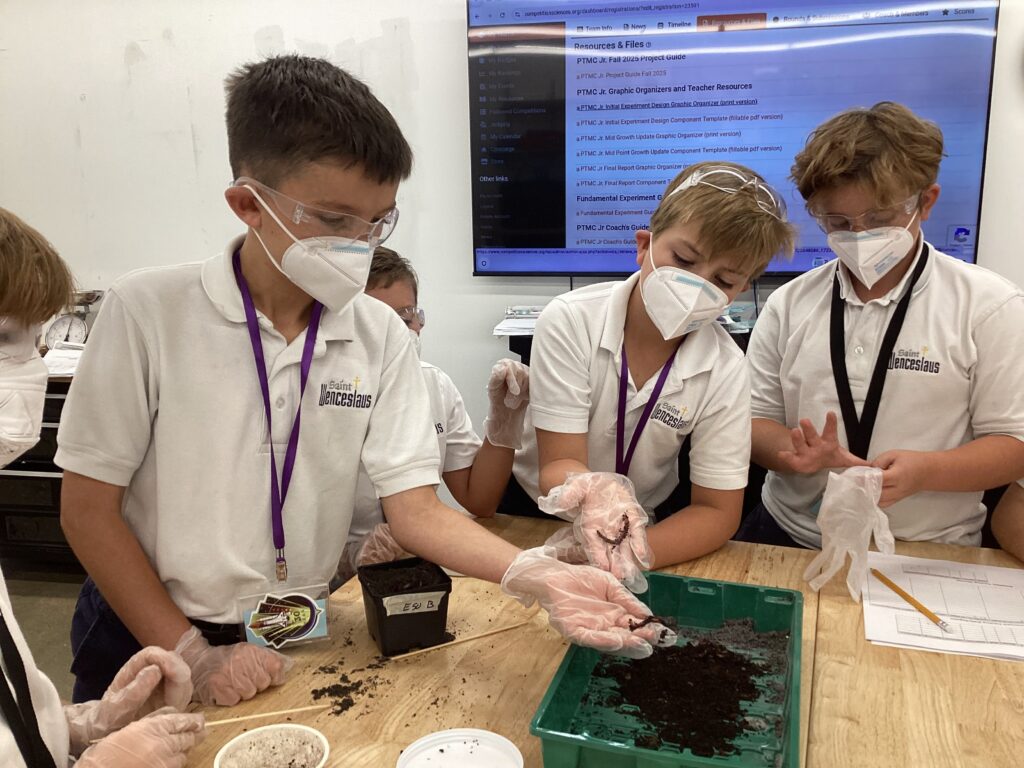
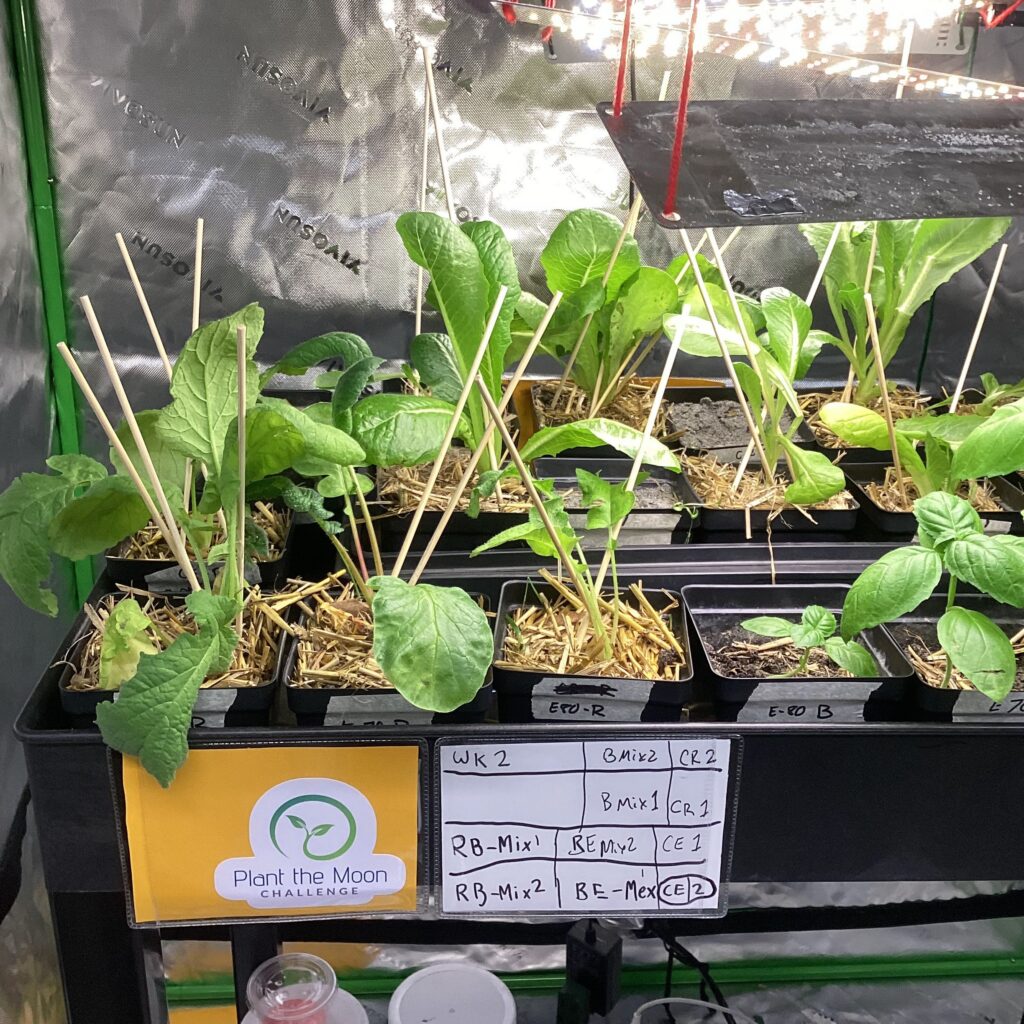
Both the Knights Gold and the Knights Blue teams at St. Wenceslaus spent months researching.
COURTESY PHOTO
“While the Gold team ultimately earned the top honor, both teams worked side by side, demonstrating strong collaboration,” the school said. “Their combined effort reflects the authentic scientific teamwork the challenge is designed to promote.”
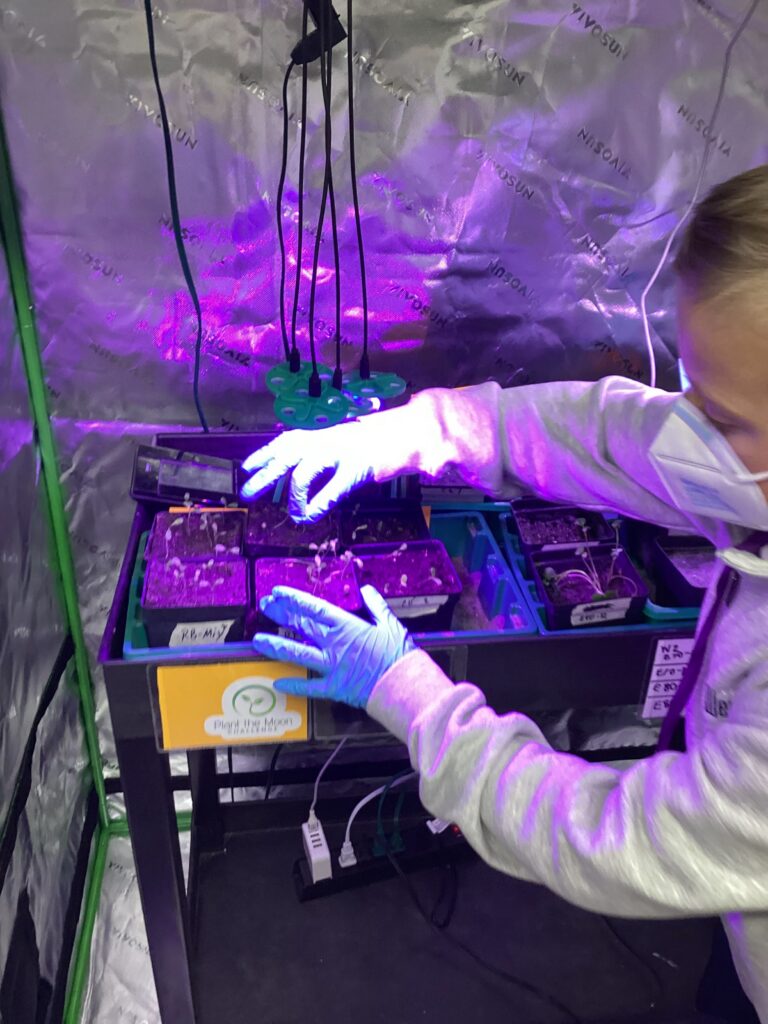
The fourth-graders were led by Renee Hanson, director of the STREAM (science, technology, religion, engineering, art and mathematics) program at St. Wenceslaus. The Knights Gold Team investigated how different soil blends affected the growth of romaine lettuce under simulated conditions on the moon, all under carefully controlled environmental variables.
The team discovered that while the moon’s dusty, rocky soil wasn’t sufficient for strong plant growth, adding things like banana peel, egg shells and earthworms helped.
“Congratulations to the Wenceslaus Knights Gold Team – and to the Knights Blue Team for their outstanding collaboration – for helping bring humanity one step closer to sustainable farming on the moon,” the school said.
READ MORE FROM THE CATHOLIC VOICE: