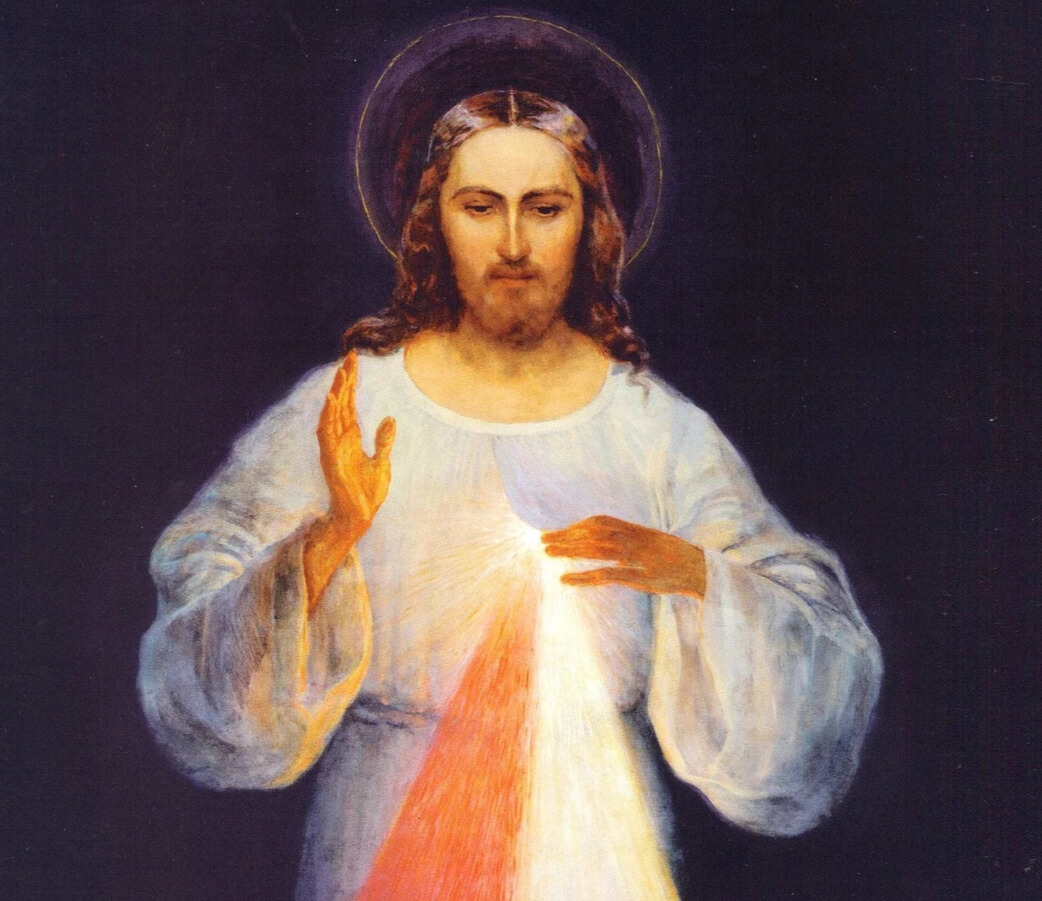
Encountering Jesus
A good Confession opens the door to God’s forgiveness and mercy
March 5, 2026
A version of this story originally appeared in the January 2026 edition of The True Voice magazine. Copies of the magazine can be found at parishes across the archdiocese.
Not just a transaction with a priest, but an encounter and dialogue with a forgiving, merciful God.
That’s how Father Taylor Leffler describes the Sacrament of Reconciliation and the forgiveness we experience when we take part in the sacrament and “make a good Confession.”
But what makes for a good Confession?
“Like all sacraments, Confession is a prayer,” he said. “So, if we come to Confession with that mindset, it’s a really helpful posture.”
Asking for the help of the Holy Spirit, one begins by making a thorough examination of conscience, recalling the sins committed since one’s last Confession, said Father Leffler, administrator of the Family of God Parishes in Platte and Colfax counties.
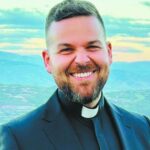
Father Taylor Leffler
There are many online guides available, he said, which help people reflect on where they’ve fallen short in light of either the 10 Commandments, the Beatitudes or the Corporal and Spiritual Works of Mercy.
Father Dan Kampschneider, a retired priest of the Omaha archdiocese, offered another approach: to reflect on how our thoughts, words and actions have damaged our relationships with God and others, and damaged ourselves.
When they confess their sins, some people may feel uncomfortable admitting their failings to another person, but the Church teaches that the priest acts in the person of Christ in the sacrament. “It’s an encounter of God through the priest,” Father Kampschneider said.
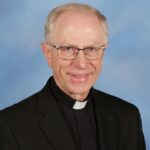
Father Daniel Kampschneider
People can speak to the priest face-to-face or anonymously behind a screen. “Either way,” he said, “the priest wants to welcome them and invite them to know God’s mercy.”
Father Leffler said it is important to come to the sacrament with a spirit of repentance, resolved to turn from sin, then to thoroughly confess one’s sins, especially mortal sins. “If you’re withholding a mortal sin on purpose, it invalidates the Confession,” he said.
After confessing, the penitent is asked to pray a sincere Act of Contrition and, after leaving the confessional, perform a penance such as praying certain prayers or performing some individualized action aimed at helping the person follow through on their Confession.
“The most beautiful part of the Sacrament of Reconciliation is God’s willingness to forgive and to allow us to begin again,” Father Kampschneider said. “It is God’s mercy, which is beyond logic. Even though we are sinners He continues to open the door and invites us back.”
READ MORE FROM THE CATHOLIC VOICE: