Obituary
Dedicated Catholic Cemeteries gravedigger Goetzinger quietly, meticulously carried the mantle
August 14, 2025
Dave Goetzinger could thank a grave at Calvary Cemetery for keeping him alive.
He and his father, Marvin, were part of a crew who had dug two graves the morning of May 6, 1975, when the sky turned black and a tornado dropped from the clouds over their heads.
As the twister barreled toward the cemetery near 78th Street and West Center Road in central Omaha, they took the only shelter they could find – two workers in each of the empty graves. The tornado passed overhead and left them unscathed, but it flattened the building they’d been in moments earlier.
Goetzinger, who’d been on the job less than three months when he survived the tornado of 1975 at Calvary Cemetery, worked there another 43 years before retiring in 2018.
After a lifetime of service to Calvary, he died Aug. 2 at the age of 72 and was buried there five days later.
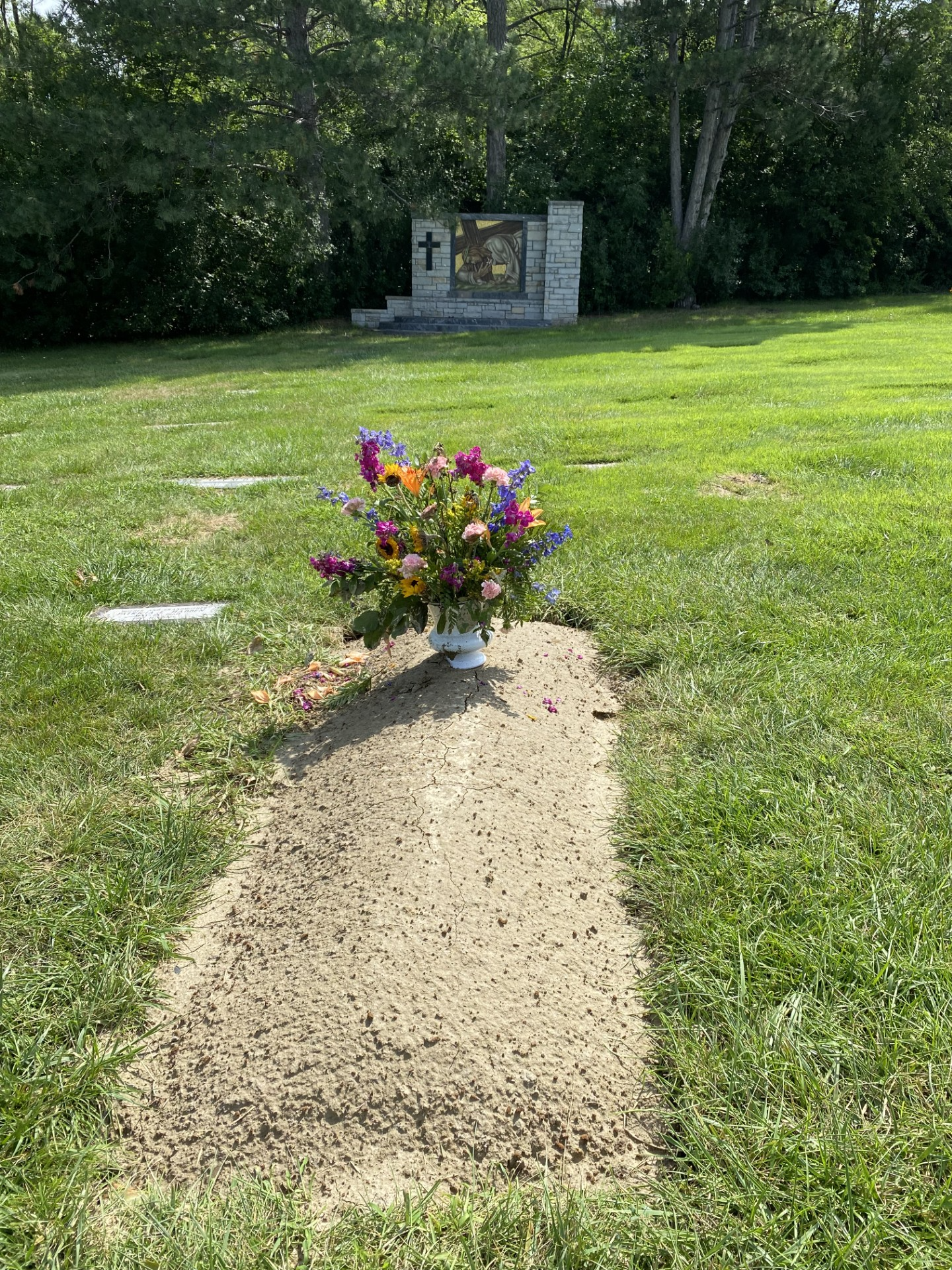
“It’s only fitting that he’s there,” said Zach Urwin, caretaker for St. Mary and St. Mary Magdalene cemeteries in South Omaha. “Marvin is at station 11, and he’s right across the road at station 3, near the feature of Jesus carrying the cross. It’s kind of fitting that he’s there, because he carried the mantle for Calvary.
“Calvary wouldn’t be Calvary without Dave.”

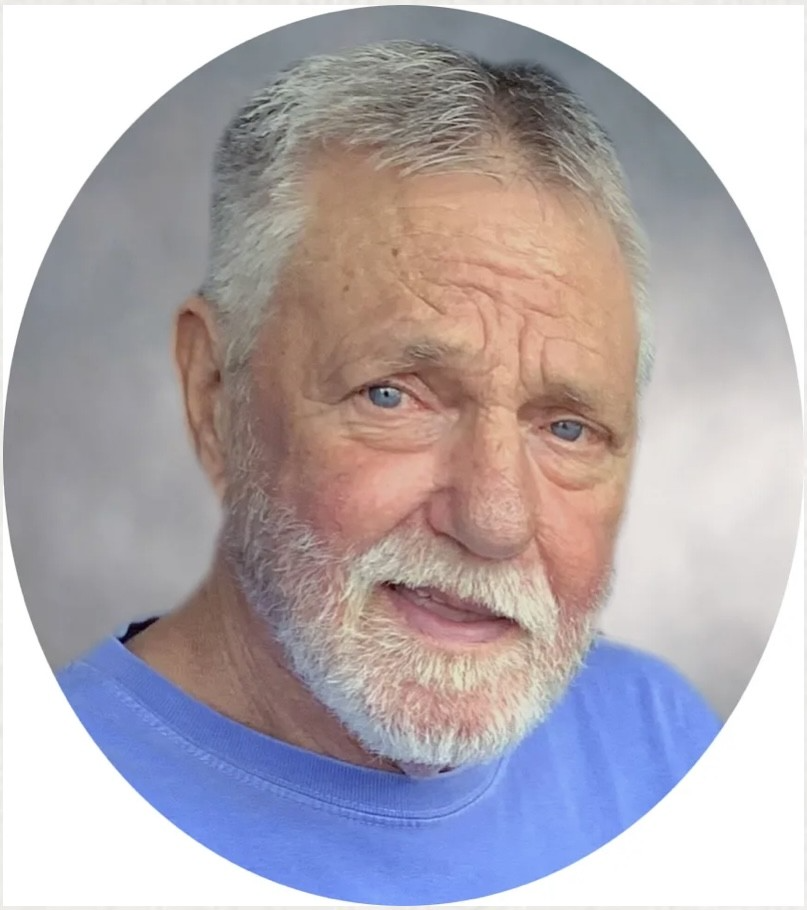
Dave Goetzinger pictured preparing a grave. COURTESY PHOTO
Goetzinger was born Oct. 26, 1952, into a family with deep ties to Omaha’s Catholic Cemeteries. His father served 37 years as superintendent of cemeteries and held a patent for a casket-lowering device, said his sister Sandy Comer.
He was one of six children, and they would often ride along with their father at night to lock the gates at Holy Sepulchre and Calvary cemeteries. Four of the six siblings worked for Catholic Cemeteries at some point, with Dave – after a brief stint in the military – and Steve making it a career.
And that career for Goetzinger was marked by a dedication to detail and dignity, every day living the corporal work of mercy of burying the dead.
“It’s one of those behind-the-scenes things you don’t think about until you’re there,” Comer said. “They take the details and make it all happen, and they make the cemetery beautiful.”
Attention to detail was a hallmark of Goetzinger’s work, said Urwin, who learned under Goetzinger’s tutelage.
Urwin said he never heard the soft-spoken Goetzinger yell, even when making mistakes under his mentor’s watchful eye. Instead, Goetzinger asked questions about ways Urwin could do better in the future – and was always receptive to anything he was asked.
“If I had any questions, I’d call Dave – if he would answer his phone,” Urwin said. “You were better off finding the digger and asking him in person.”
Speaking of Goetzinger and his digger, Urwin and his colleagues had a bet that Goetzinger could dig a grave blindfolded – one they never got the chance to prove or disprove.
But that would’ve invited the possibility, however small, of an imperfection entering his work. His meticulous attention to detail was always evident, with Urwin noting: “The most popular thing said at the cemetery is ‘That’s not how Dave Goetzinger taught us.’”
“When he dug graves, they were perfectly dug,” Comer said. “… It was important for him for the grave to be prepared perfectly so they can put their loved ones to peace. It meant so much to him.”
Though Goetzinger neither dug this one, nor rode out a tornado in it, he was laid near the third station of the cross in a grave with crisp, clean edges – one final tribute to the lasting legacy he provided for countless other families.
COURTESY PHOTO